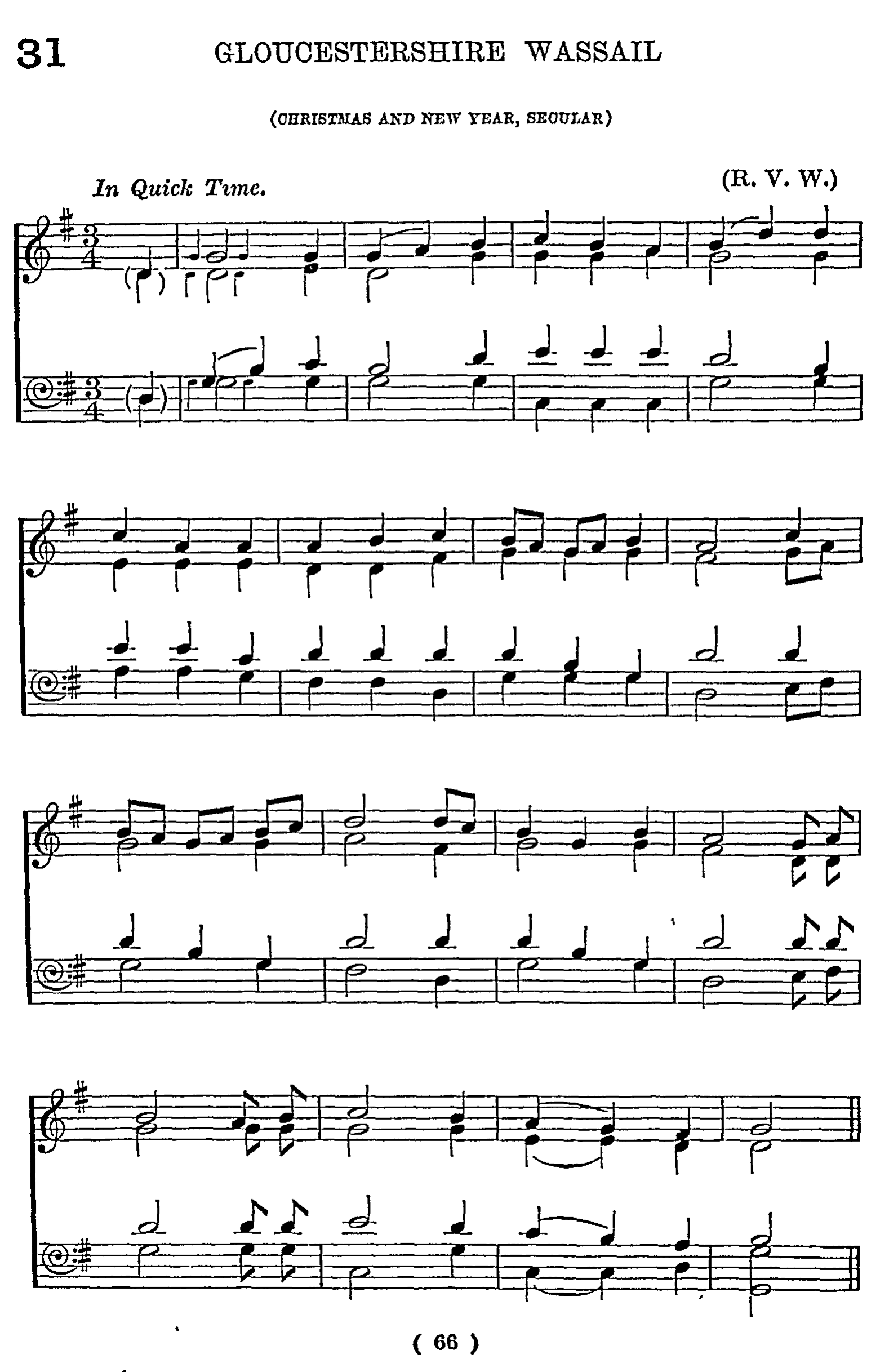
Composer or tradition
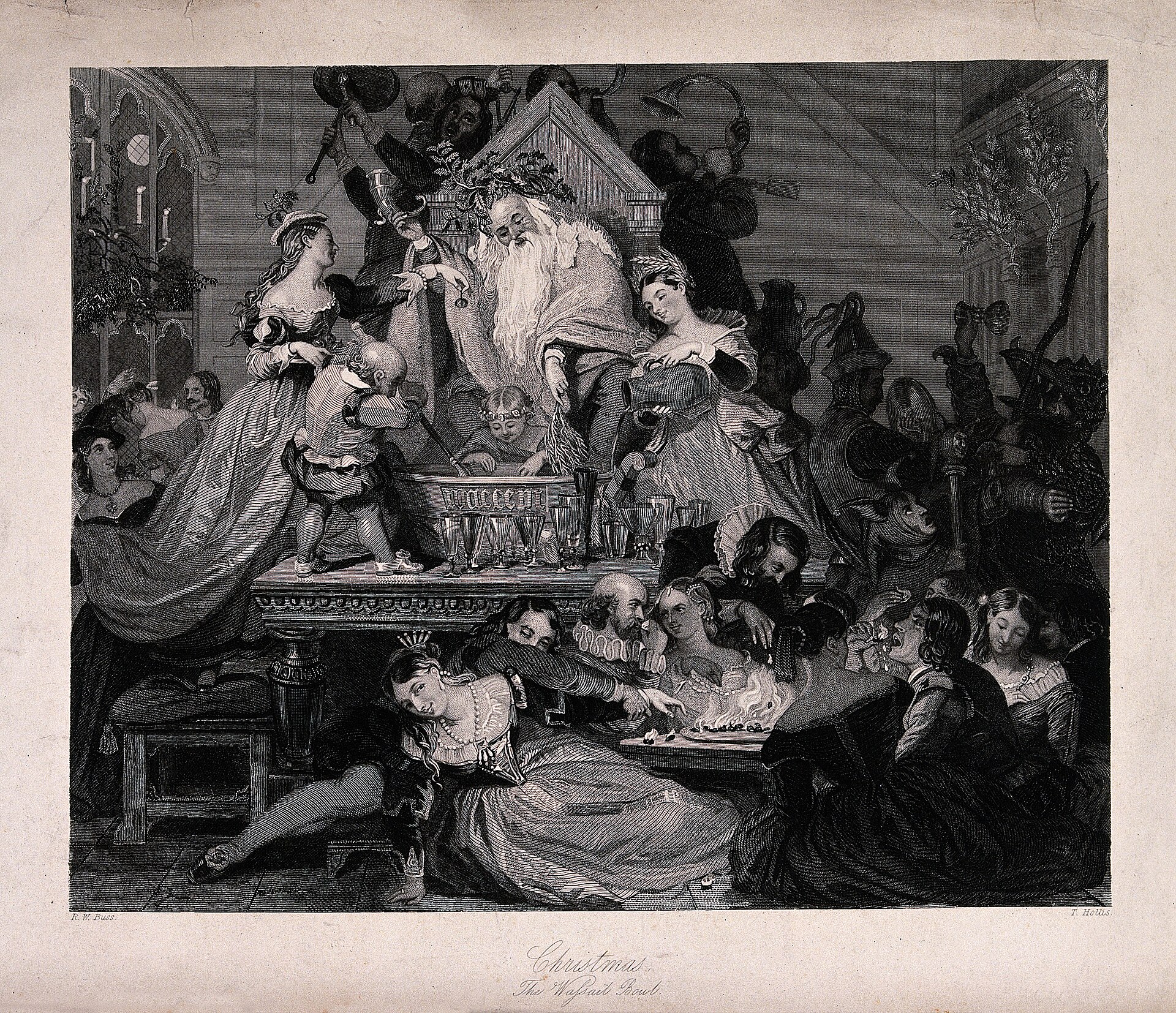
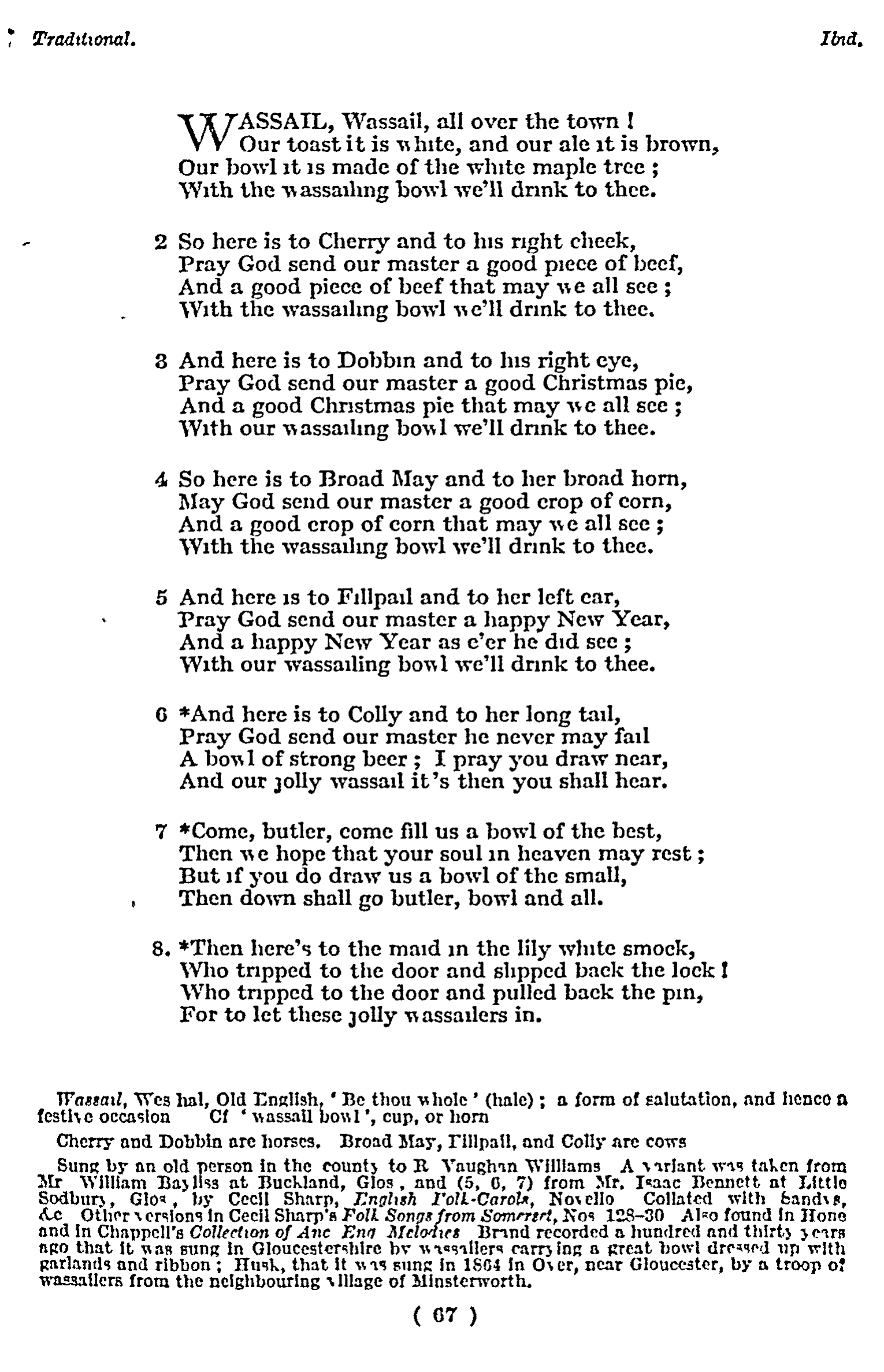
“Gloucestershire Wassail” belongs to a living folk practice rather than to one named songwriter. Groups of singers carried local verses from house to house, offering good wishes for the household, animals, and coming year while asking for food or drink in return. Words, verse order, and melody changed between villages and generations; that variation is part of the work’s identity, not a defect to be corrected.
Twentieth-century collectors helped a particular version travel beyond its local setting. Ralph Vaughan Williams noted the tune in 1909 from an unidentified singer from Gloucestershire at the Swan Inn in Pembridge, Herefordshire. Cecil Sharp and printed nineteenth-century sources supplied related textual material. Vaughan Williams later helped place the now-familiar form in The Oxford Book of Carols in 1928. He is best described here as a collector and editor of traditional material, not as its composer.
✦ Discuss the original work and its history 0 comments
Add a provenance lead, historical context, or a focused correction to this description.